
Whatever Happened to America’s Comic Book Genres?
Recently, DC President and Chief Creative Officer Jim Lee talked to Nikkei XTrend about Japanese Manga’s dominance of the western comic book market. There was a part of the conversation that many content creators have keyed in on:
“In Japan, it’s closer to ‘literature,’ and anyone can read it, and it’s not just hero stories. There’s a much wider range of genres, like stories about cooking and soccer. You can draw stories from that. So I’m very happy that the manga has been so successful, because it gives me a ‘goal’ to aim for. The manga market is bigger than our industry, so the question becomes, ‘What can we learn from this?’“

This part of the conversation was strange for Jim Lee to admit because, like many content creators are pointing out, Manga is just copying off the model American comic book companies started back in the 1930s.
Before Marvel Comics and DC swallowed a lot of these companies and integrated some characters into their cannon, there were many comic book companies that offered genres other than superhero stories. Besides superhero stories, you could find different genres that spoke to western culture.
EC Comics were known for their horror comics that included Tales from the Crypt, The Vault of Horror, and The Haunt of Fear. But even the big two delved into horror when Marvel Comics published early Tales to Astonish, Journey Into Mystery, Strange Tales, and DC ran House of Mystery, House of Secret that were enjoyed by fans.
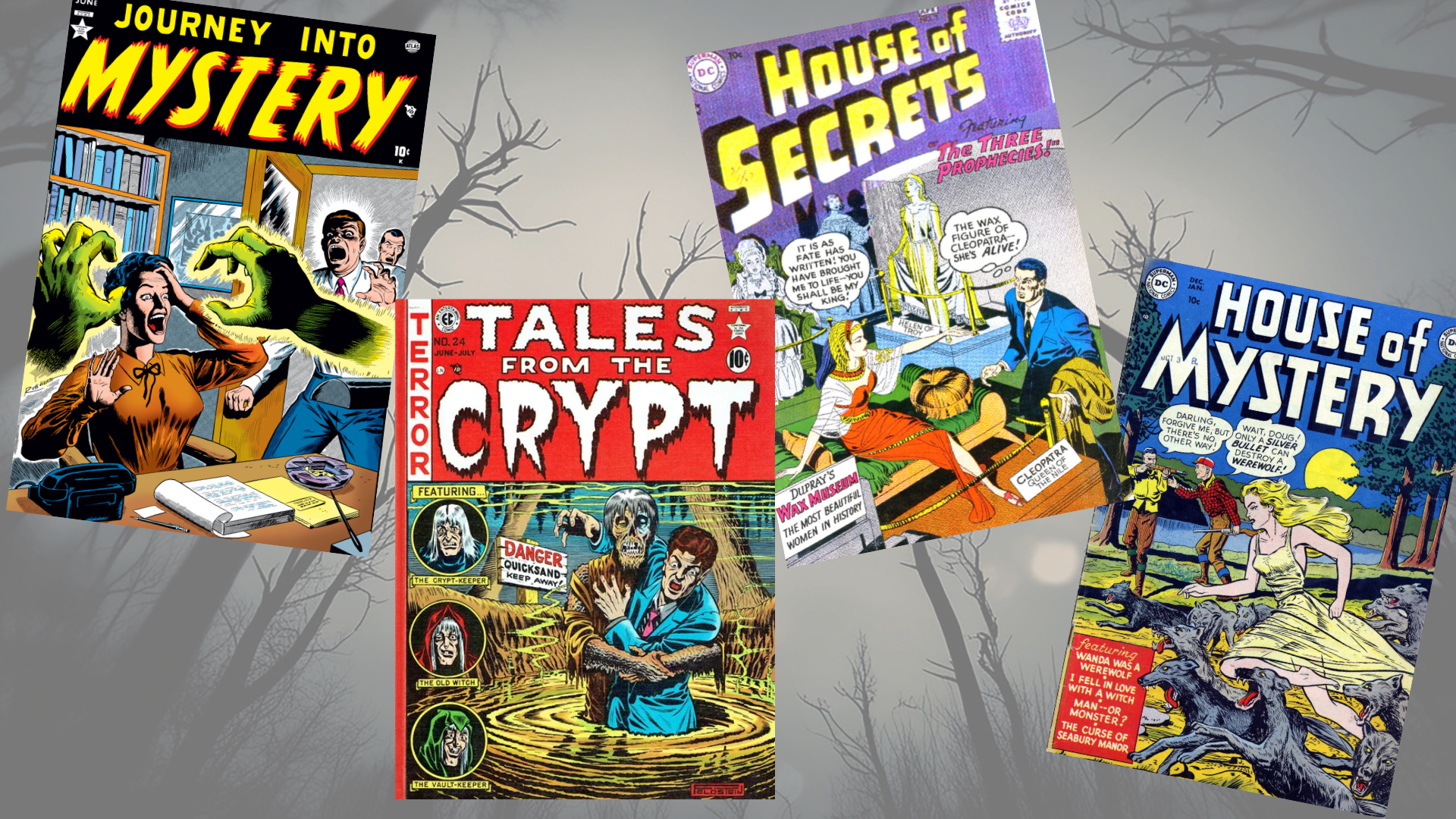
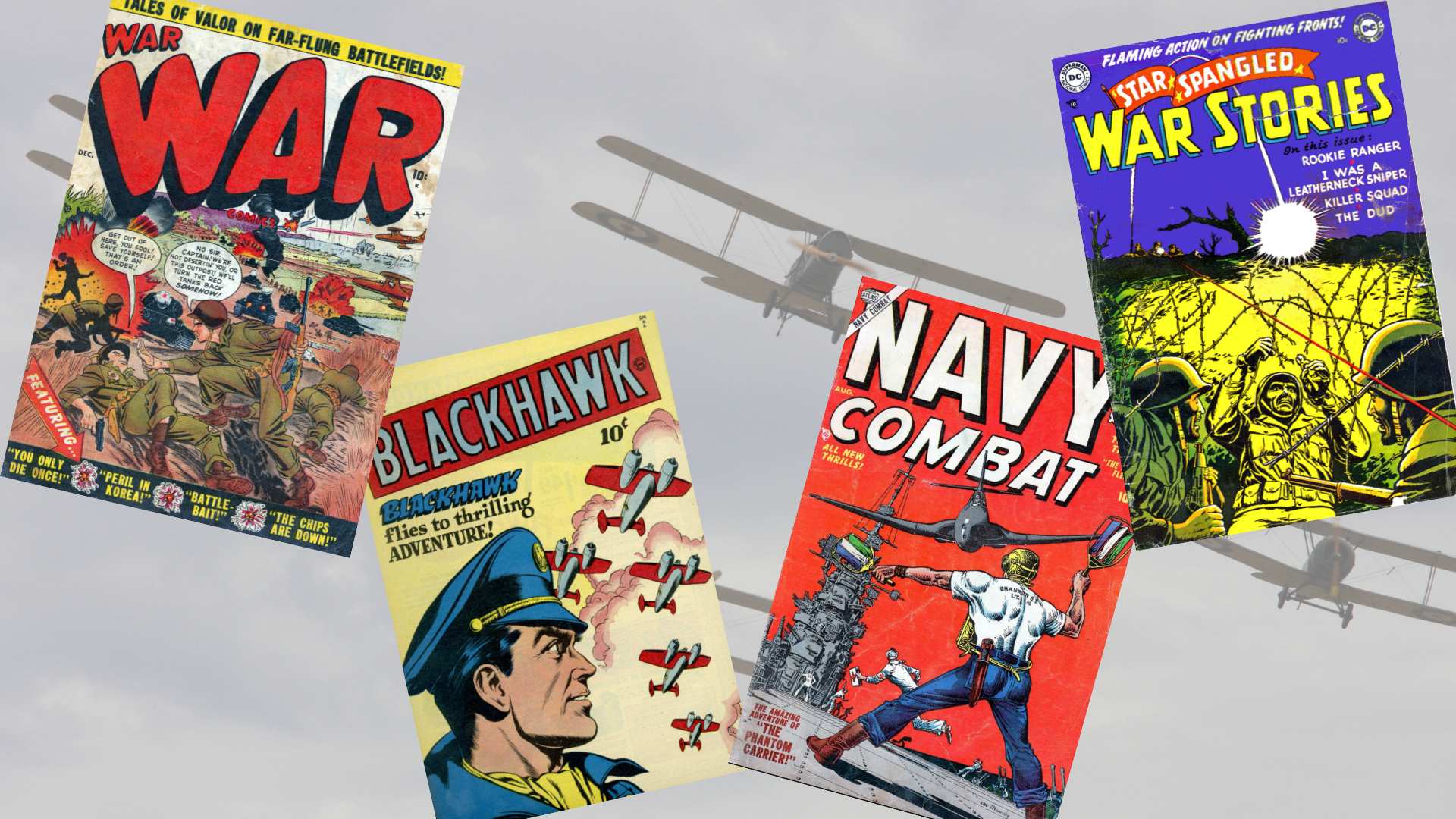
EC Comics did not just produce horror comics, but also crime and war stories with Crime SuspenStories, Two-Fisted Tales and Frontline Combat. Lev Gleason Publications ran the popular series Crime Does Not Pay. At the same time, the big two ran crime and war stories. Marvel Comics had Official True Crime Cases and Crime Exposed, while DC’s early Detective Comics were actually about detecting crime, and they had the less popular Gang Busters comic. Both also delved into the war genre with Battle, War Comics and Navy Combat, and Our Army at War and Star Spangled War Stories. Little known Quality Comics also ran the war-oriented comic Blackhawk.
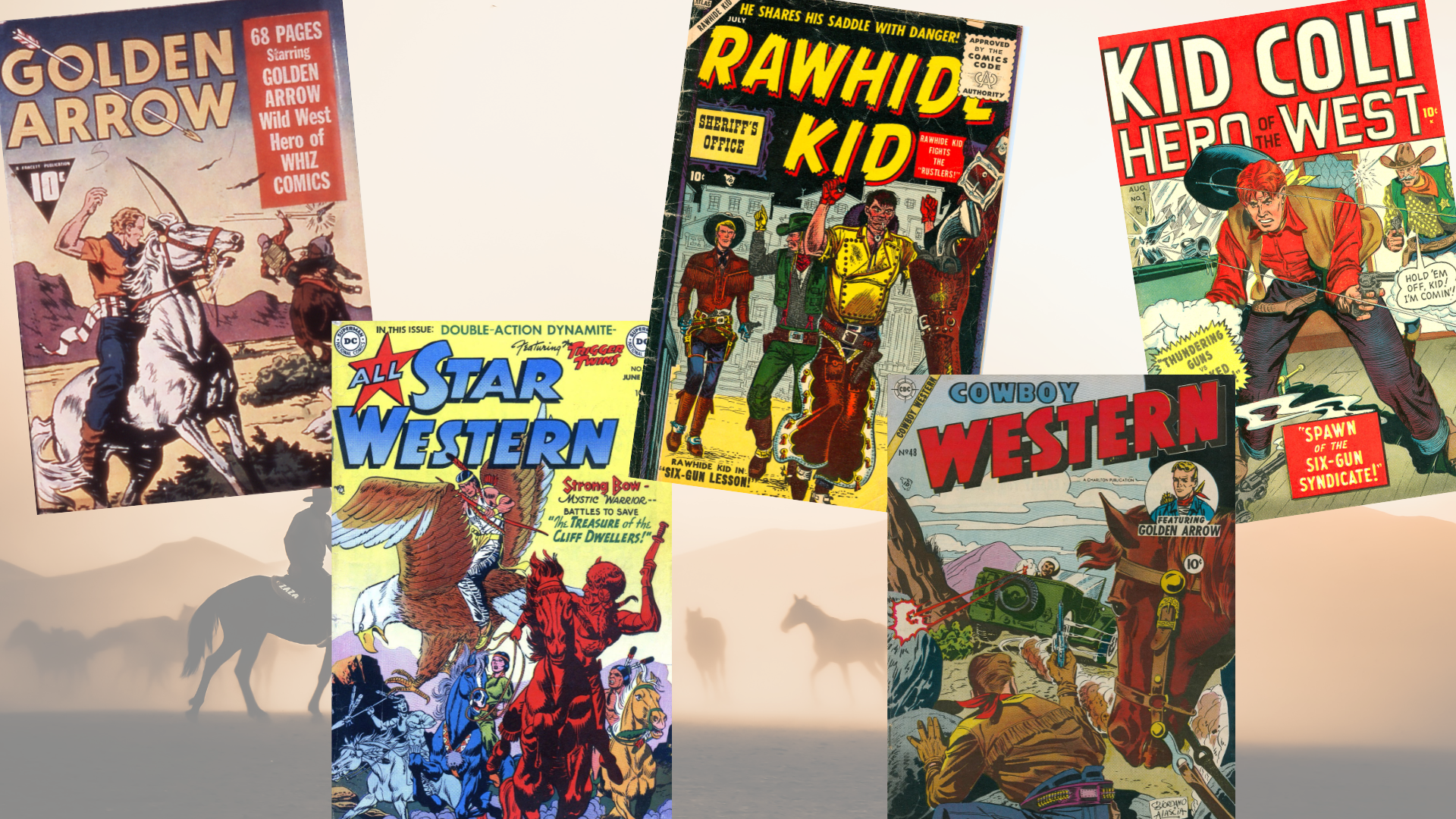
Of course, Western-oriented comics were popular as well. Golden Arrow was published by Fawcett Comics and Dell Comics ran The Lone Ranger. Marvel Comics and DC embraced the popularity of westerns with Marvel Comics printing such comics as Kid Colt Outlaw, Rawhide Kid, and Two-Gun Kid, while DC published All-Star Western, Western Comics, and Tomahawk.
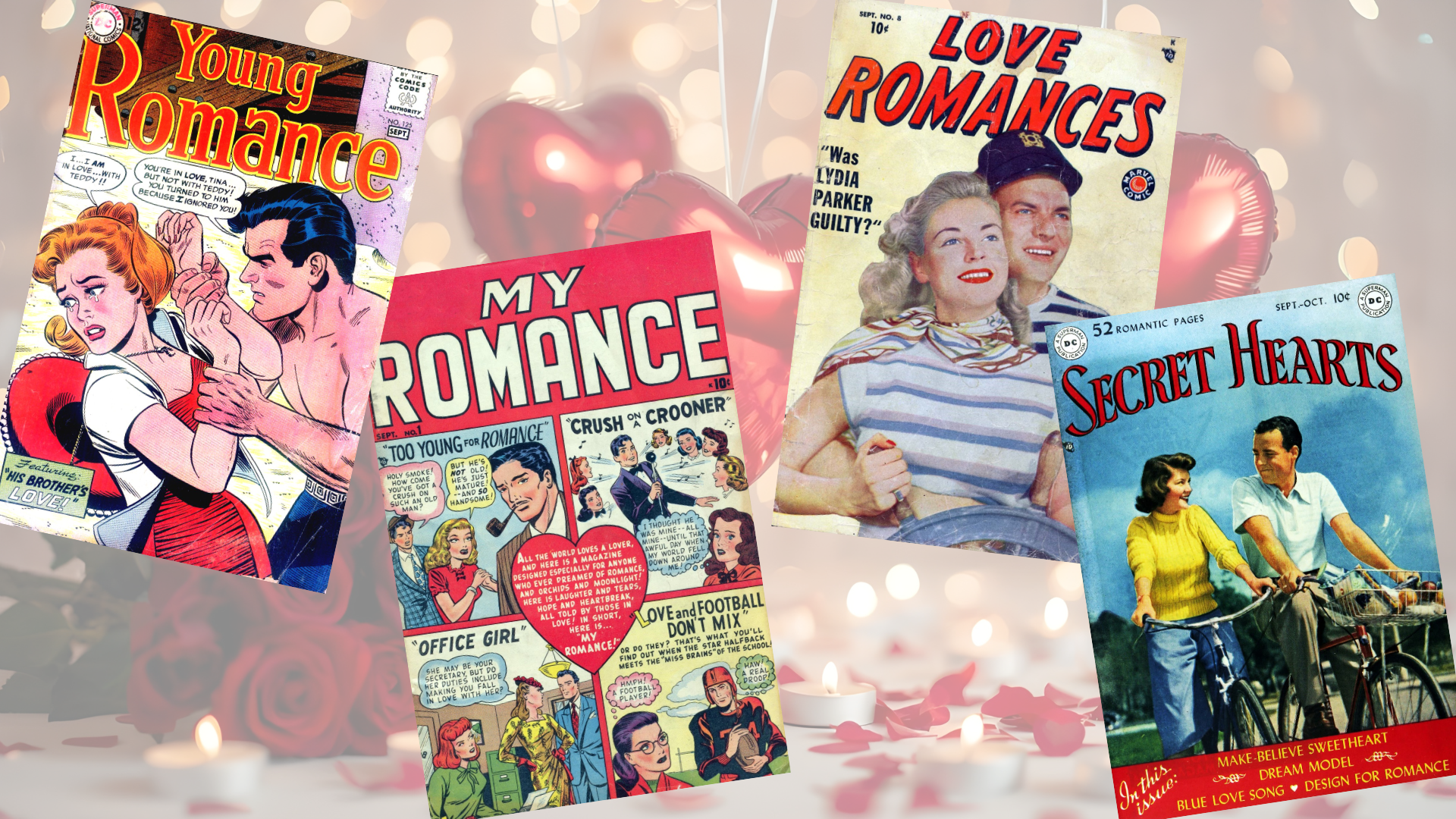
These were not the only genres you could find in American comics through the 30s and 60s. Marvel Comics and DC also published Romance comics with My Romance, Love Romances, and Young Romance, Girls’ Love Stories, Secret Heart aimed at young women and girls, while Fiction House, EC Comics, and Dell Comics tried to draw in boys with their Science Fiction books Planet Comics, Weird Science, and Buck Rogers.
I would be remiss if I didn’t mention that comics also tapped into Humor genre with my boyhood favorite Archie Comics, who publishes such gems as Archie, and Betty and Veronica. Dell Comics also published Donald Duck and Uncle Scrooge that catered to humor and children.
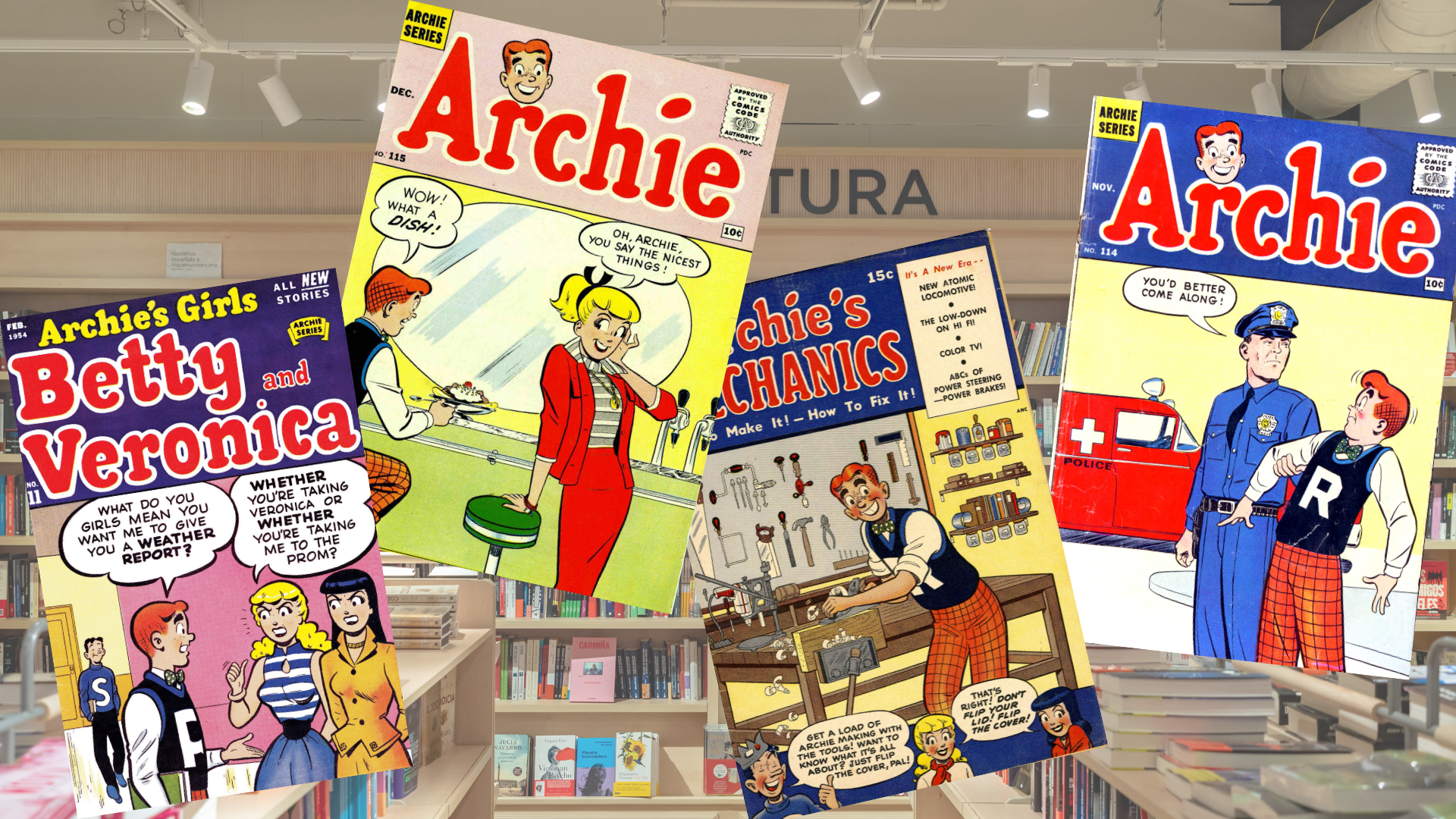
This is not an exhaustive list but only to prove the point that Manga is just taking from the business model American comics began long ago. So that begs the question, where did these comic genres, and others, go?
Much of the blame can be laid at the feet of the Comics Code Authority. Founded in 1954 the CCA imposed a series of rules that crippled many of these genres, such as:
· Scenes of excessive violence shall be prohibited. Scenes of brutal torture, excessive and unnecessary knife and gunplay, physical agony, the gory and gruesome crime shall be eliminated.
· No comic magazine shall use the words "horror" or "terror" in its title.
· All lurid, unsavory, gruesome illustrations shall be eliminated.
· Nudity in any form is prohibited, as is indecent or undue exposure.
· Sex perversion or any inference to same is strictly forbidden.
· Seduction and rape shall never be shown or suggested.
· Policemen, judges, government officials, and respected institutions shall never be presented in such a way as to create disrespect for established authority.
· Scenes dealing with, or instruments associated with walking dead, torture, vampires and vampirism, ghouls, cannibalism, and werewolfism are prohibited.
· Crimes shall never be presented in such a way as to create sympathy for the criminal, to promote distrust of the forces of law and justice, or to inspire others with a desire to imitate criminals.
There are several other rules, but the message was clear. American comic companies were not forced to follow the CCA, but most stores would not order comics that did not have the CCA’s seal of approval.
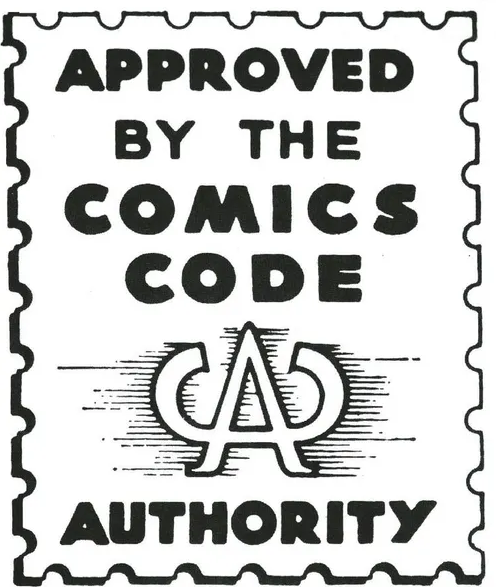
For companies that traded in War, Science Fiction, Crime, Romance, and gritty Western comics, many of these comic companies either folded or were forced to shut down certain comic lines and only print superhero stories that easily matched the CCA’s rigid criteria.
Marvel Comics and DC were able to survive the CCA’s rigidity, but after decades under their censorship, they were trained in producing mainly superhero stories even after they broke from the CCA’s shackles in the early 2000s.
Since the CCA’s demise, independent companies like Alterna Comics has stepped up to offer comics in various genres, but the big two have only made half-hearted attempts at reviving these lost genres. DC tried to revive horror and crime with their Vertigo line that fizzled out, and Marvel Comics tried to re-skin superhero stories with horror themes with such comics as Tomb of Dracula, Werewolf by Night, Ghost Rider, and Man-Thing.
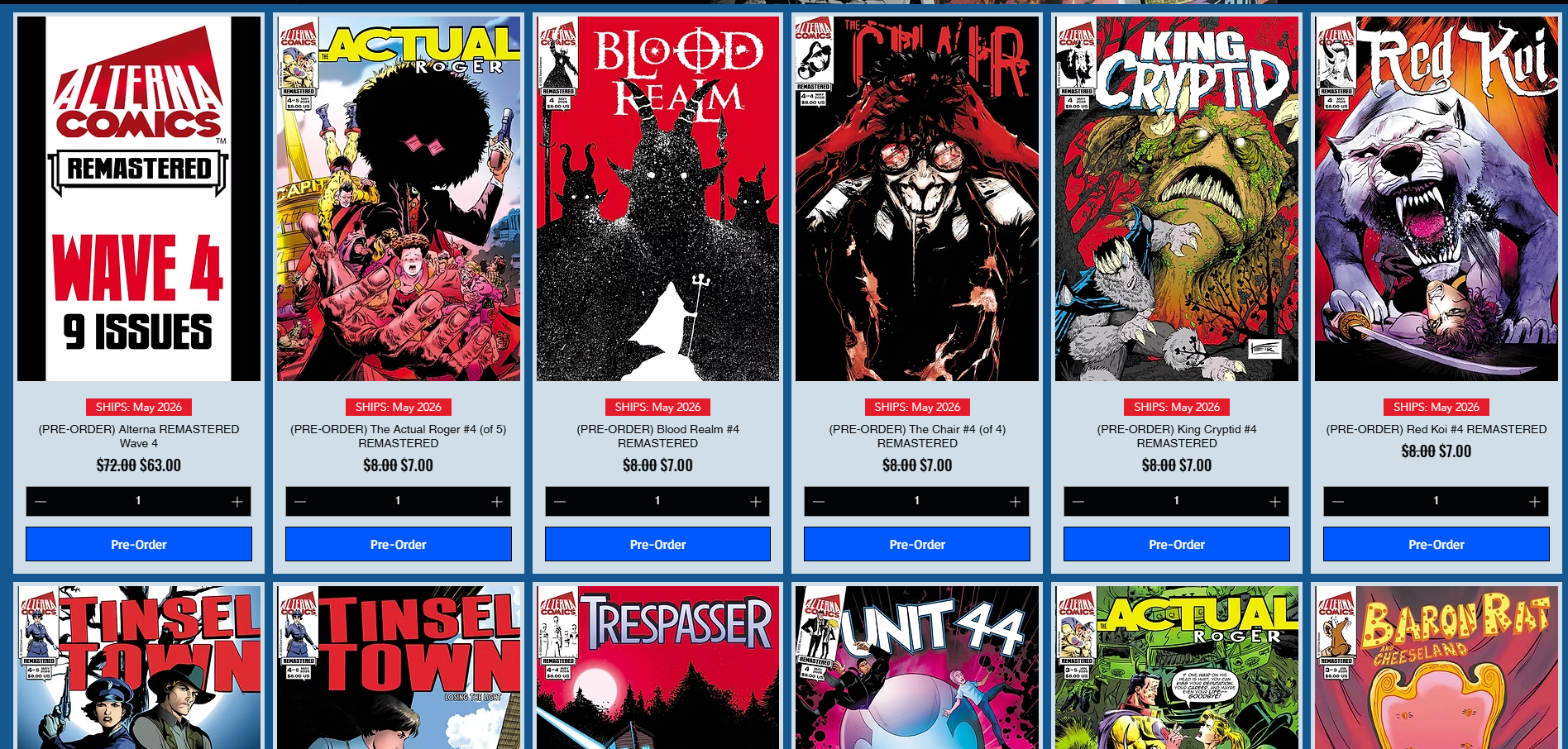
But, outside of Vertigo, many of these attempts failed to reach critical mass and were just folded into the main superhero cannon. None of these attempts were a true return to form with dedicated storylines apart from the main superhero cannon that wasn’t on some random-numbered earth or part of some multiverse to drop the random superhero in.
I personally have little faith in Marvel Comics or DC taking the risk of returning to any of these lost genres. And if they did, I have even less faith they would not fill those stories with self-inserts or personal politics.
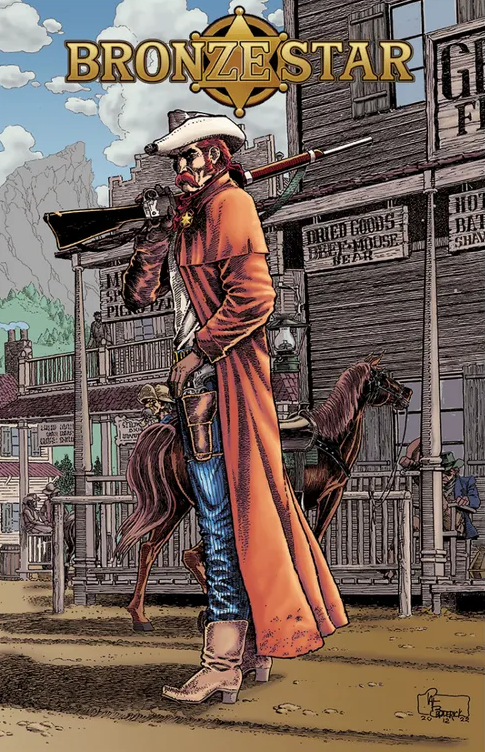
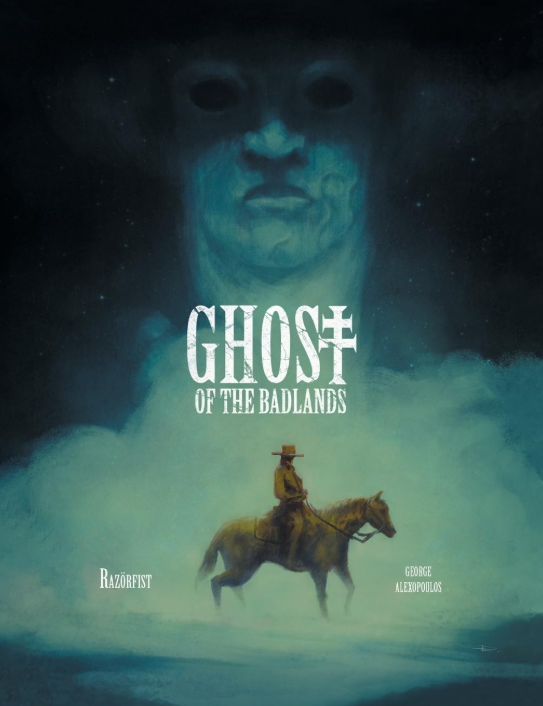
If American comics are to ever compete with Manga’s dominance of multiple genres that appeal to wider audience, it will most likely come in the form of independent creators. Legendary comic creator Mike Baron has revitalized the western comic book genre with his ongoing series Bronze Star, followed by the YouTuber Razor Fist whose western graphic novel Ghost of the Badlands is available on Amazon and where books are sold.
Writer Jon Del Arroz continues to provide science fiction stories with his book The Emerald Array, while Joe Catapano offers steampunk, futuristic work with Star Circuit. And books like the Cryptidnals scratches that itch for horror. And there are many other independent authors creating work that is not standard superhero fare. You can check out Bleeding Fool’s Indie Comics Showcase to find more.
Jim Lee was right about another thing in his interview; Manga’s success is something to strive for. It will be an uphill climb for American creators to reach their level of success since Manga is treated as literature and heavily funded by the Japanese government. This allows them to take more risks as well as keep their prices low while offering more story pages for the money. Not to mention that most of their Manga have one dedicated writer who starts and finishes the stories till the end.
This is not just a history lesson but a challenge. I’m no comic creator, but there has to be an American indie comic creator who is willing to take the risk and delve into these dormant genres. There is a massive hole in the comic book industry that is ripe for someone with the talent and vision to fill.
Until American comics can figure out how to replicate Japan’s success by taking more risks and lowering prices, they will continue to crave Manga’s comic crown.