
In the Lethal Weapon Series, Are Riggs and Murtaugh Moral People?
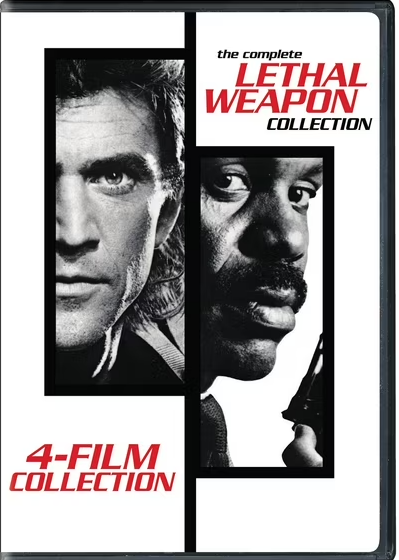
No. I do not consider Lethal Weapon a Christmas movie. Just because it takes place during Christmas doesn’t make it a Christmas movie. But, Lethal Weapon is my Christmas movie. Meaning, I usually get the urge to watch it during the holiday season.
It was no different this year, except, I got so into the characters again that I watched all four basically back-to-back. And something struck me as I binged watched all four movies: Riggs and Murtaugh were sort of bad people.
Don’t get me wrong. Riggs and Murtaugh are relatable, likable, tough, driven, masculine, and they get the job done. You really can’t ask more from a cop that they actually care about their work and get the bad guys.
But notice I didn’t say Riggs and Murtaugh were honorable. And let’s disregard the massive amount of property damage caused by the two, or the shootouts that put civilian lives in danger. That comes with getting the job done.
But both Riggs and Murtaugh have massive character flaws when it comes to honor and morality, especially Riggs. For example, Riggs was a war veteran and decorated cop. The men respect him and the force puts up with his over-the-top tactics because of the results, even though his suicidal tendencies should have taken him off the streets.
But in part two, when Riggs and Murtaugh were trapped in the shipping container with the classic car and the pallets of money, Murtaugh digs out a stack of bills. Murtaugh remarks how he could send all three of his kids to college with what he had in his hands and Riggs urges him to steal it!
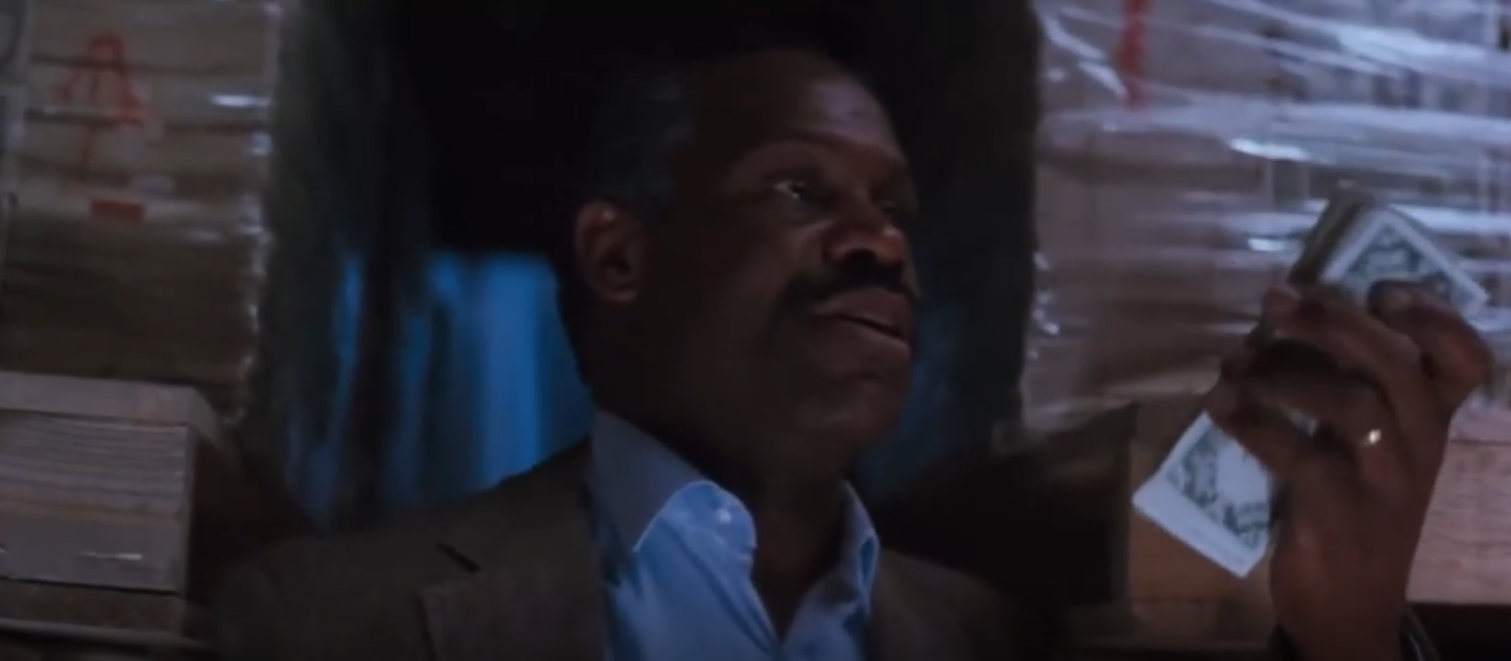
Riggs wasn’t joking as he justified this theft by telling Roger to do something good with the money, but Murtaugh refused. Then in Lethal Weapon 3, Riggs again attempts to steal when he puts a bag over the parking meter. Riggs again justifies this action by saying they were cops, thus not subject to the same laws as the rest of us. Murtaugh has to say that right we’re cops not crooks, and tosses the bag away. Only for Riggs to throw the ticket away that he received as if he didn’t have to pay for it later.
Riggs saw no problem with these actions. In Lethal Weapon 4, he even confessed to his internal affairs girlfriend Lorna in a joke that he had tried to get Roger to steal before! It’s a joke but the truth at the same time. Classic Riggs.
And that was not the only crack in Riggs’ morality. In a deleted scene in Lethal Weapon that has since been restored, Riggs picks up a hooker. Sure, he only pays her to watch the stooges with him because he’s lonely, but just the act of picking up a very young-looking Hooker brings Riggs’ virtue into question. I mean, its L.A. Riggs could have gone to the bar and thrown a rock. Whatever woman it hit probably would have consented to going home with him and watch some shows, because, it’s L.A., and that city is degenerate.

Now you may say Riggs was crazy and Roger acted as his moral anchor by saying no when Riggs goaded him into stealing, but was he really that moral compass? In Lethal Weapon, Roger begins by pushing back against Riggs, but seems to slowly bend towards Riggs’ worldview as the movie continues.
For example, at first, Murtaugh didn’t want to kill anyone when he didn’t have to. It’s even implied when they went to question the suspect at the fancy house that Riggs intentionally shot the man in the leg so they could question him later. Of course, that man still tries to kill Roger, who is saved by Riggs, so this may have colored his moral outlook.
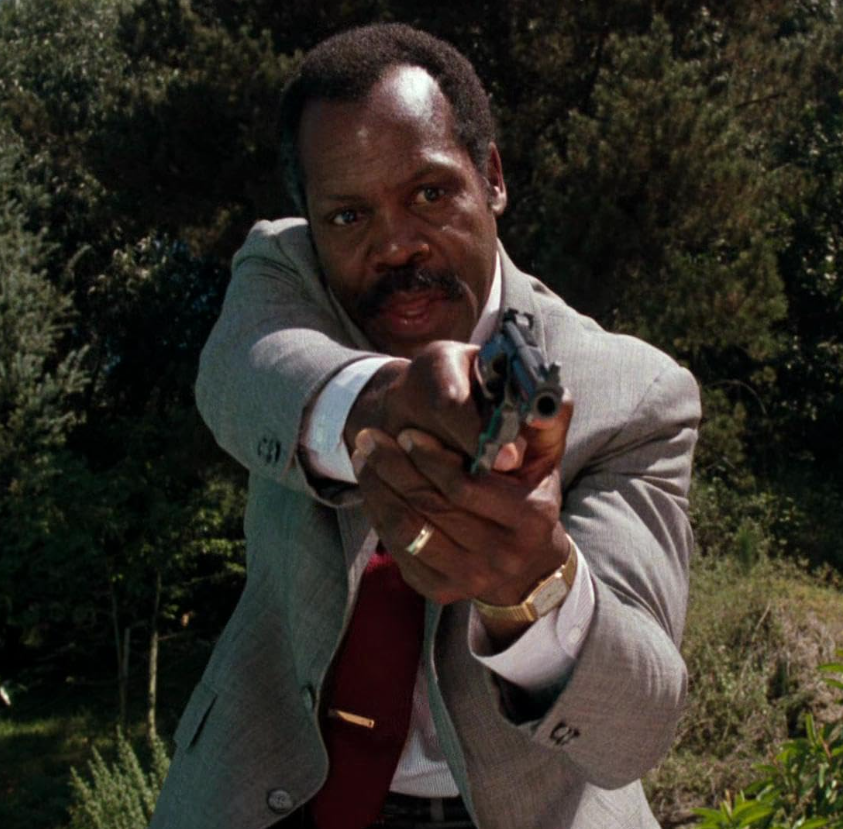
By the end of the movie, we have Murtaugh hunting down Peter McAllister, clearly stating out loud, no way you live, no way. This implies that Murtaugh had a choice not to kill McAllister but chose to anyway. We see this moral choice happen again in lethal weapon 2 when, Murtaugh shoots the diplomat, Arjen Rudd, right in the head, breaking the law.
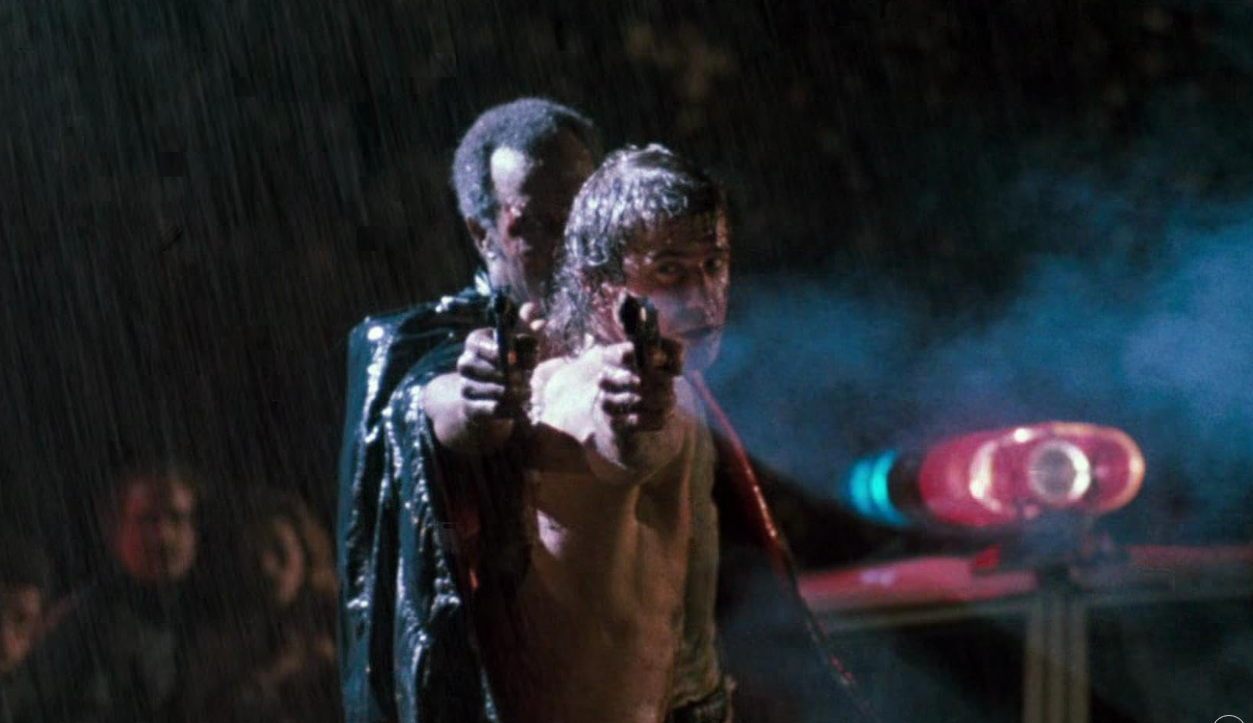
By the end of Lethal Weapon one, Murtaugh is the one begging Riggs to kill Joshua, and it’s Riggs who actually backs off. Fine, you can say that this is Riggs character arch. That he grew as a person and didn’t have to kill someone or himself. I can buy that. But that doesn’t excuse Roger’s d counter-arch into Riggs’ world view.
And I noticed another thing. While being a cop who is supposed to follow the law, Murtaugh blatantly puts his politics and personal feelings above the law when he hides the Hongs in Lethal Weapon 4. He doesn’t feel bad about the fact that he’s breaking the law by using the crimes that occurred to his ancestors in the past to justify his current crimes. Murtaugh’s personal feelings supersede the oath he took to uphold the law.
And the crime is only compounded later, when Riggs finds out that Roger had hidden the Hongs. Not only does Riggs not turn his friend in, or even tell him he’s wrong, he asks how he can help!
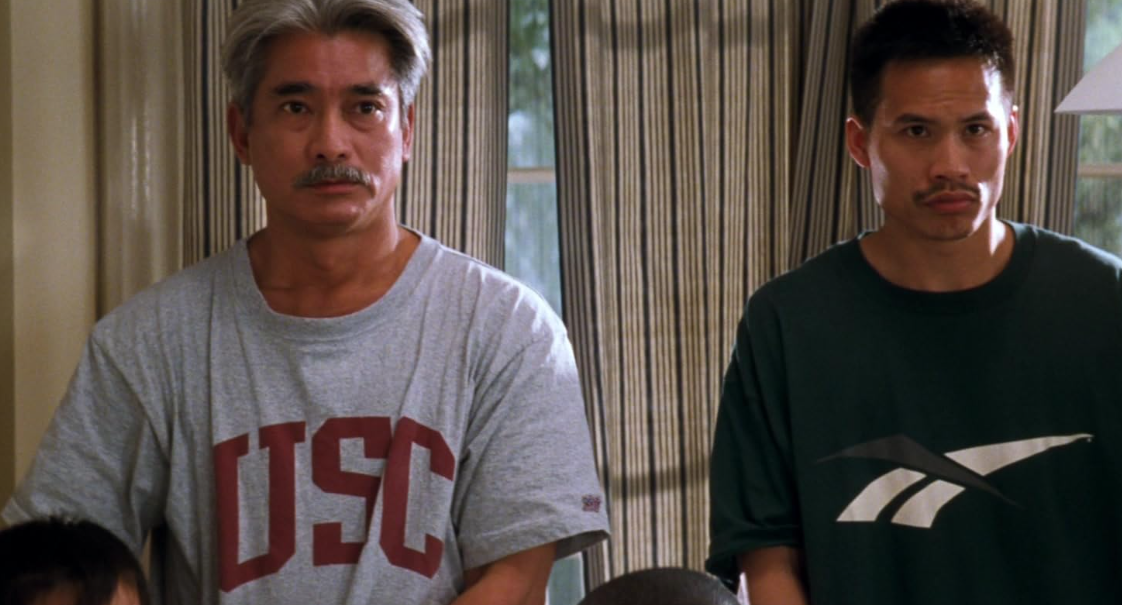
By the time Lethal Weapon 4 comes along, Roger Murtaugh is no longer Riggs’ moral anchor. Between Lethal Weapon 1 through 4, Murtaugh went from telling Riggs No, to saying, Well, maybe we shouldn’t but okay, to, Let’s do this, to finally, Here’s how we do said bad thing!
By the end, Murtaugh is fully onboard with skirting the law if it suits his needs, just like Riggs had been since the first movie. The good guy was tainted by the not-so-good guy and not the other way around.
But, this analysis is more tongue-in-cheek. Just something I noticed during my binge-watch. I still love Riggs and Murtaugh and, despite their flaws, would love to see cops like them out on the streets these days!